If you have been locked out of a house in Orlando you understand how quickly a routine day can turn into a scrambling problem. This guide distills practical, experienced advice for anyone who needs a house lockout service, with clear steps, trade-offs, and what to expect when you call a technician.
Choosing a locksmith: credentials and red flags.
Confirming credentials before the locksmith shows up reduces scam risk and gives you leverage if something goes wrong. Make sure the locksmith can provide a verifiable local phone number, a business address, and https://telegra.ph/Understanding-Locksmith-Techniques-for-Residential-Locksmith-03-17 evidence of insurance or bonding. If a company quotes an extremely low flat price without details or refuses to identify the arriving technician, consider it a red flag and look elsewhere.
What to expect on the call and at the scene.
Provide the exact address, a cross street if possible, and the type of lock and door you have because those details change the tools and time required. Look for a dispatcher who provides an estimated arrival time, the tech's name, and a transparent pricing estimate that accounts for possible complications. Be ready to prove residency if requested, with ID or mail addressed to you, because technicians will not force entry without verification.
Understanding the cost: estimates versus the final bill.
Expect a quote that separates the dispatch fee, labor time, and any replacement hardware, and ask for that information in a text or receipt. If the quoted number jumps dramatically upon arrival, refuse to proceed and ask for clarification or another company, because surprise add-ons are common in scams. Call-out fees and after-hours premiums vary widely; expect higher rates at night or on holidays and ask for the exact surcharge before work starts.
How locksmiths usually gain entry without wrecking the door.
A professional will first attempt non-destructive techniques like picking, bypassing the latch, or manipulating the cylinder before suggesting a drill or replacement. On reinforced locks, antiquated hardware, or when a key has broken inside the cylinder, destructive entry like drilling the core may be the only safe option. Do not permit drilling or cutting without a clear explanation and a consented plan for replacement hardware and final cost.

After entry: verifying security and deciding whether to rekey or change locks.
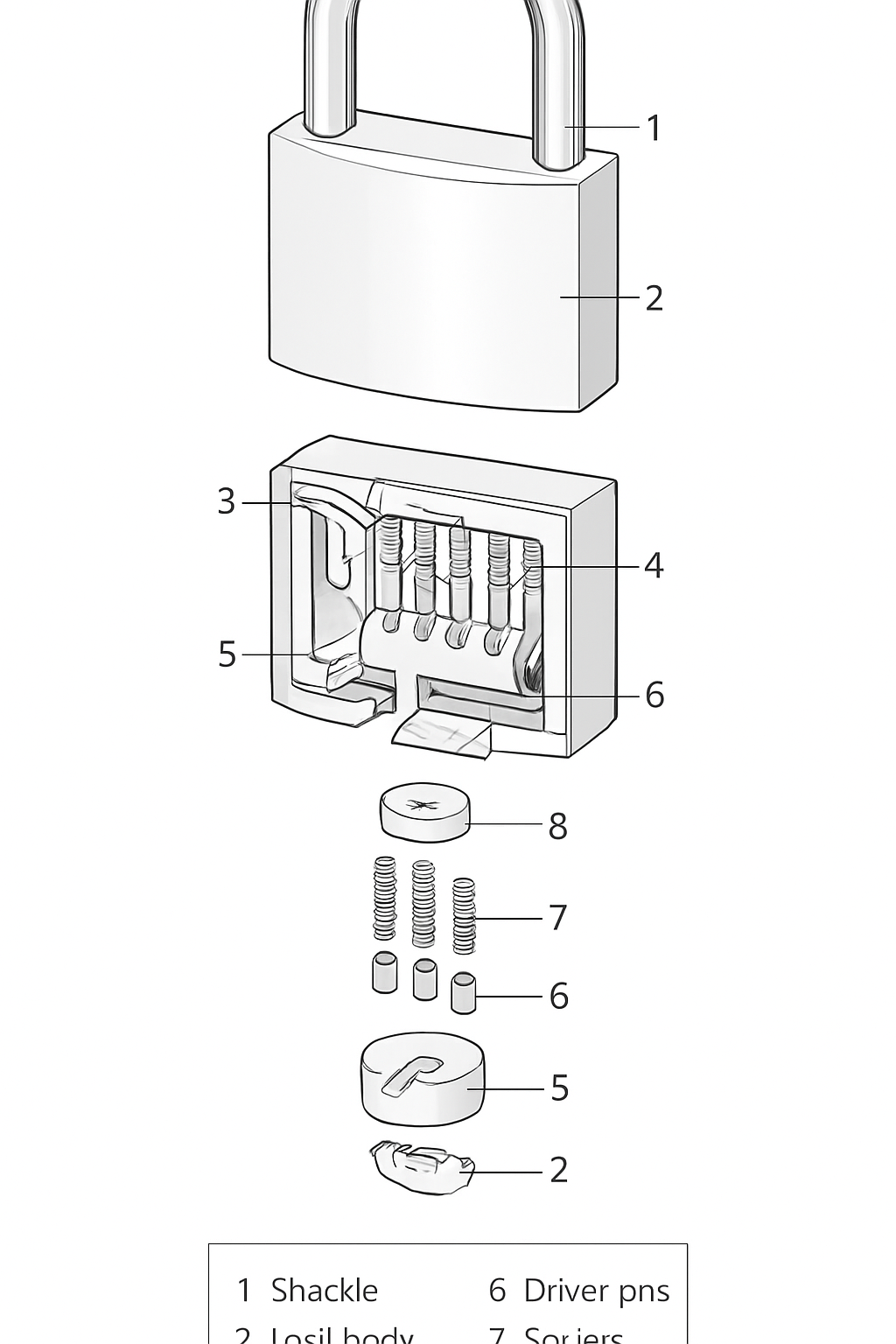
After entry, evaluate whether the lock is compromised, especially if keys are lost, rented to others, or if the cylinder was damaged during access. Rekeying swaps the internal pins so old keys no longer work and is usually cheaper than replacing the entire lock, but it does https://pastelink.net/chgaa79o not upgrade the https://privatebin.net/?5c37e2b3431a22fd#CKF9d6FCCdu3KzrDXnbnqHErnFLxVvEsT4avBit5wp86 hardware's security rating. Changing to a new lock makes sense if the hardware is old, damaged, or if you want a higher security rating such as ANSI grade 1 or a smart lock with encryption.
Emergency response: do you need a true 24 hour service?
If there is any danger, a child left inside, or a medical emergency, call local emergency services first and then a locksmith, because safety takes precedence. For routine lockouts without urgency, you can compare arrival times and fees between several 24 hour locksmiths rather than taking the first available option. Genuine 24 hour locksmith services will confirm the tech's name, expected arrival, and insurance coverage, while less reputable https://jsbin.com/?html,output operations may give vague promises.
How to decide between rekeying, new keys, and smart locks.
Replacing keys is straightforward when the cylinder is intact, and a locksmith can cut a new mechanical key or program a new key fob on the spot if the vehicle or lock supports it. Rekeying is wise if you need immediate closure on who can enter, because it is https://prolockyafg396.lowescouponn.com/trusted-local-locksmith-near-me-for-house-emergency-unlocking quicker and typically cheaper than installing new locksets. Smart locks add convenience and audit trails, but they introduce battery management, network security, and compatibility trade-offs that you should weigh.
Common scams, how to avoid them, and what to do if you are ripped off.
To avoid being scammed, do not accept a verbal lowball quote and then get surprised by inflated fees once the lock is open; demand a written breakdown. If a technician declares drilling is required without attempting non-destructive methods, get a clear explanation and consider a second opinion before authorizing damage. If you suspect fraud, document everything, get a copy of the invoice, and report the company to local consumer protection and the Better Business Bureau, and consider disputing the charge with your bank.
Preventing future lockouts and small investments that pay off.
Stashing a key with a trusted neighbor or in a weatherproof lockbox near the house is cheap and prevents many lockout emergencies. Another durable solution is to install a keypad or smart lock with temporary codes for visitors, which removes the need for spare physical keys entirely. Adopt a consistent routine for keys, store a spare key in a secure spot, and run a quick door check before leaving to eliminate many common lockout scenarios.
Balancing cost, speed, and security.
Speed, cost, and non-destructive entry are often in tension, and a good decision balances those priorities rather than chasing the lowest price. Establishing contact with a well-reviewed local locksmith ahead of time pays off in clarity and confidence during an emergency. Pick a locksmith based on trust signals like insurance, testimonials, clear estimates, and communication, because those factors often matter more than a slightly lower price.
By verifying credentials, comparing transparent estimates, and planning a small prevention strategy, you can minimize both the chance and the cost of future lockouts.